
Parks

Lao Protected Area System
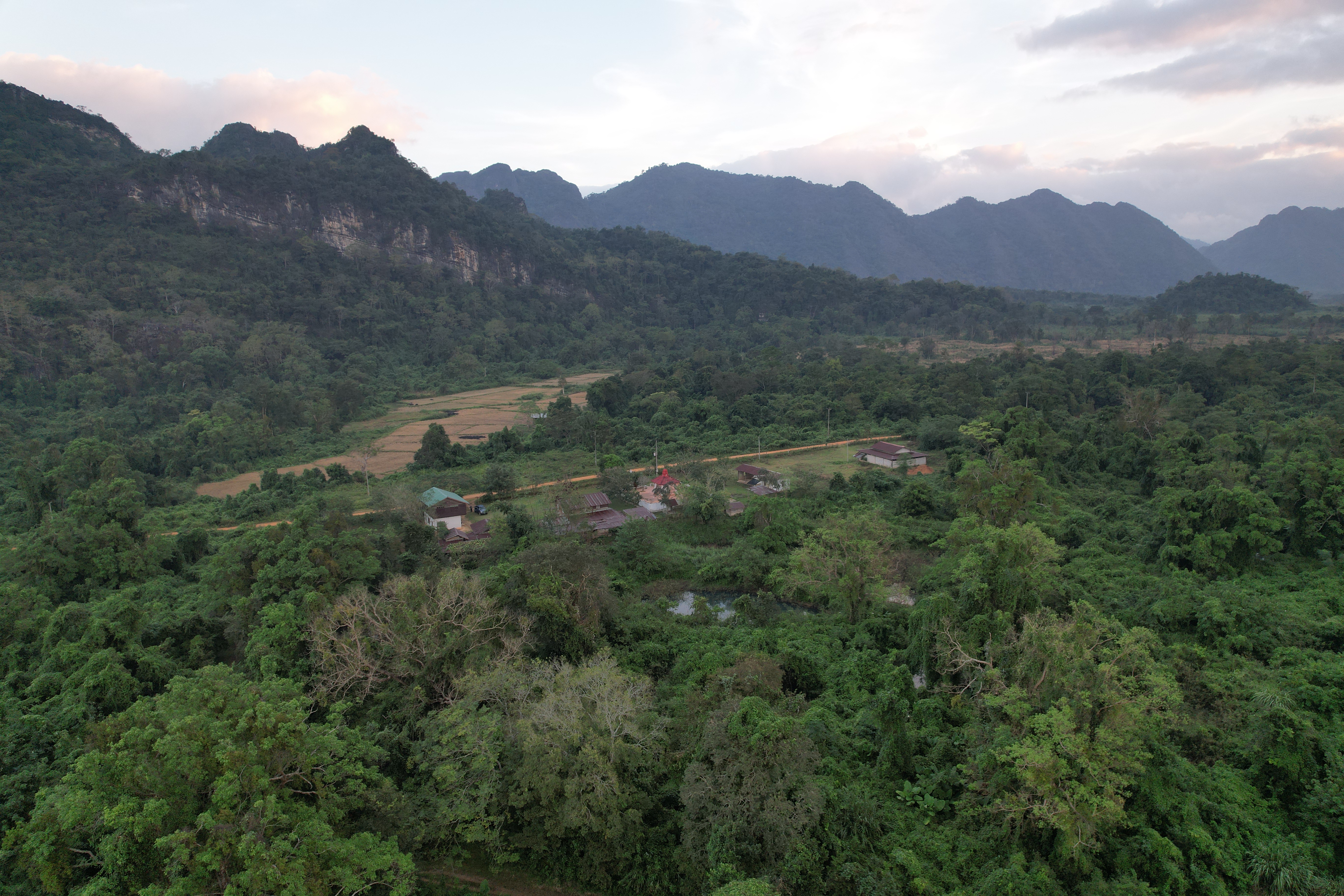
With some of the largest protected areas and one of the world’s 32 biodiversity hotspots, the Annamites Mountain Range, Lao PDR has an exceptional range of natural landscapes and globally important habitat for conservation. Lao PDR has three ecosystems of international biodiversity significance:
Wet evergreen forest: The wet evergreen forest ecosystem high significance and biodiversity importance because of four factors: (a) wet evergreen forest ecosystems are particularly rich with high proportions of phylogenetically distinctive taxa; (b) the wet evergreen forest ecosystem have very minor representation globally with a very small total global area; (c) Lao PDR accounts for a highly significant proportion of the global range of wet evergreen forest (only Vietnam is more important); and (d) wet evergreen forest ecosystems are under tremendous threats. PAs with significant wet evergreen include Khoun Xe-Nong Ma, Laving Laverne, and Xe Xap.
Indochina karst: The second ecosystem of high global biodiversity importance that occurs in Lao PDR includes the massive karst formations of Central Lao. Their rugged terrain provides a unique degree of protection that allows for endemic species. This habitat is best represented in Hin Nam No and Phou Hin Poun national parks.
Montane forests: Another significant forest ecosystem occurring in the Greater Annamites is montane forests. Their significance to global biodiversity conservation is high because they in general have high representation of species with restricted ranges. Some important montane areas occur in Nakai Nam Theun NP and Yord Nam Mo-Phou Sam Soum NPA.
Biodiversity
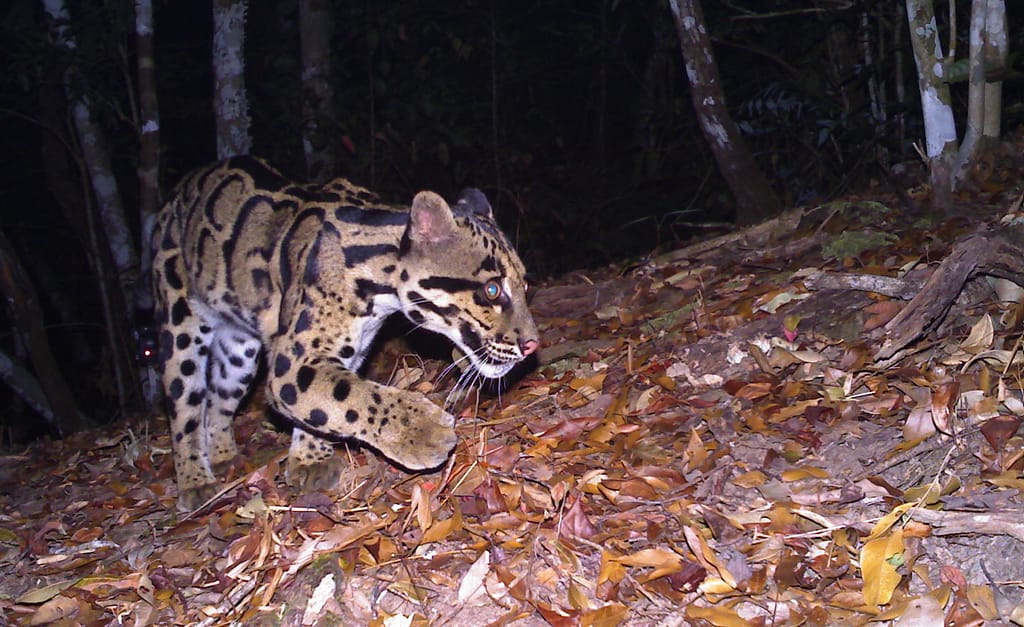
Lao PDR is rich in biodiversity4 with an estimated 6,000 species of flowering plants, 300 species of reptiles and amphibians, 700–800 species of birds, at least 90 species of bats, and 260 mammals of which more than 100 are classified as large mammals. Laos is unique for having many species that have been relatively recently discovered by science, including the Saola, large-antlered muntjac, the Laotian rock rat, and many species of amphibians and reptiles. Many of Laos’ wildlife are of high conservation significance, with the IUCN listing 59 species as critically endangered, 143 endangered, 203 vulnerable, and thousands more with near threatened, least concern, or data deficient status.
Protected Area Management Division
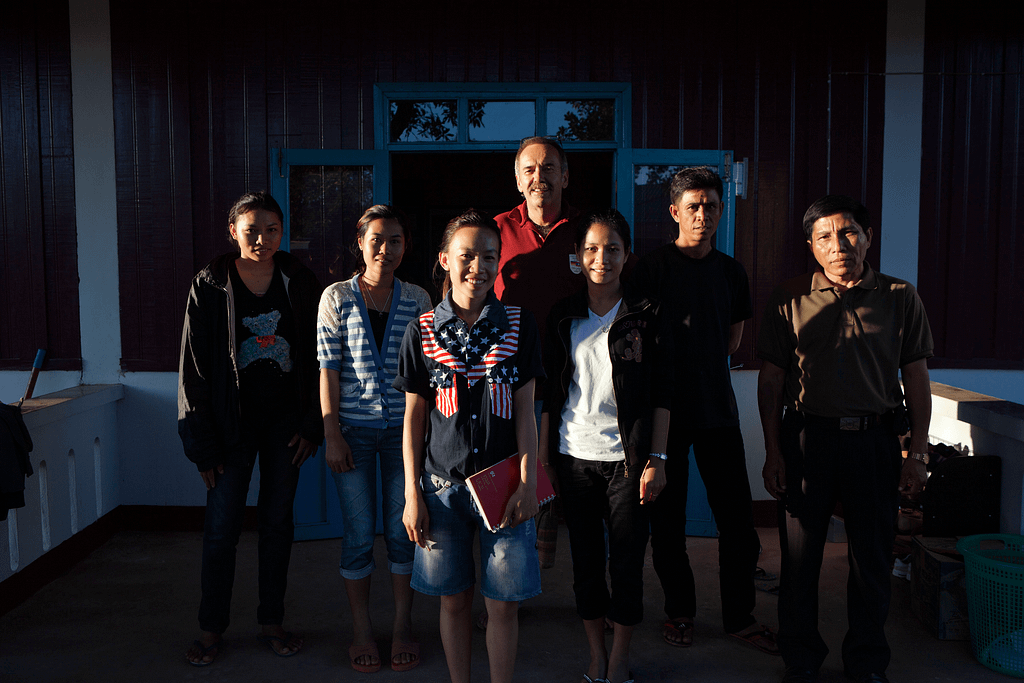
The Lao protected area system is managed and coordinated by the Protected Area Management Division of the Department of Forestry, which is based in Ministry of Agriculture and Environment. Most protected areas are managed onsite by provincial and district conservation and forestry authorities in cooperation with local communities. Some areas are supported by conservation non-profit organizations and donors, as well as by conservation-minded investors and ecotourism entrepreneurs.
List of Parks

Protected Area Name
Lorem ipsum dolor sit amet consectetur adipiscing elit. Quisque faucibus ex sapien vitae pellentesque sem placerat.
Protected Area Name
Lorem ipsum dolor sit amet consectetur adipiscing elit. Quisque faucibus ex sapien vitae pellentesque sem placerat.
Protected Area Name
Lorem ipsum dolor sit amet consectetur adipiscing elit. Quisque faucibus ex sapien vitae pellentesque sem placerat.
Protected Area Name
Lorem ipsum dolor sit amet consectetur adipiscing elit. Quisque faucibus ex sapien vitae pellentesque sem placerat.
Protected Area Name
Lorem ipsum dolor sit amet consectetur adipiscing elit. Quisque faucibus ex sapien vitae pellentesque sem placerat.
Protected Area Name
Lorem ipsum dolor sit amet consectetur adipiscing elit. Quisque faucibus ex sapien vitae pellentesque sem placerat.
Protected Area Name
Lorem ipsum dolor sit amet consectetur adipiscing elit. Quisque faucibus ex sapien vitae pellentesque sem placerat.
Protected Area Name
Lorem ipsum dolor sit amet consectetur adipiscing elit. Quisque faucibus ex sapien vitae pellentesque sem placerat.
Protected Area Name
Lorem ipsum dolor sit amet consectetur adipiscing elit. Quisque faucibus ex sapien vitae pellentesque sem placerat.
Protected Area Name
Lorem ipsum dolor sit amet consectetur adipiscing elit. Quisque faucibus ex sapien vitae pellentesque sem placerat.
Protected Area Name
Lorem ipsum dolor sit amet consectetur adipiscing elit. Quisque faucibus ex sapien vitae pellentesque sem placerat.
Protected Area Name
Lorem ipsum dolor sit amet consectetur adipiscing elit. Quisque faucibus ex sapien vitae pellentesque sem placerat.
Protected Area Name
Lorem ipsum dolor sit amet consectetur adipiscing elit. Quisque faucibus ex sapien vitae pellentesque sem placerat.
Protected Area Name
Lorem ipsum dolor sit amet consectetur adipiscing elit. Quisque faucibus ex sapien vitae pellentesque sem placerat.
Protected Area Name
Lorem ipsum dolor sit amet consectetur adipiscing elit. Quisque faucibus ex sapien vitae pellentesque sem placerat.
Protected Area Name
Lorem ipsum dolor sit amet consectetur adipiscing elit. Quisque faucibus ex sapien vitae pellentesque sem placerat.
Protected Area Name
Lorem ipsum dolor sit amet consectetur adipiscing elit. Quisque faucibus ex sapien vitae pellentesque sem placerat.
Protected Area Name
Lorem ipsum dolor sit amet consectetur adipiscing elit. Quisque faucibus ex sapien vitae pellentesque sem placerat.
Protected Area Name
Lorem ipsum dolor sit amet consectetur adipiscing elit. Quisque faucibus ex sapien vitae pellentesque sem placerat.
Protected Area Name
Lorem ipsum dolor sit amet consectetur adipiscing elit. Quisque faucibus ex sapien vitae pellentesque sem placerat.
Protected Area Name
Lorem ipsum dolor sit amet consectetur adipiscing elit. Quisque faucibus ex sapien vitae pellentesque sem placerat.
Protected Area Name
Lorem ipsum dolor sit amet consectetur adipiscing elit. Quisque faucibus ex sapien vitae pellentesque sem placerat.
Protected Area Name
Lorem ipsum dolor sit amet consectetur adipiscing elit. Quisque faucibus ex sapien vitae pellentesque sem placerat.
Protected Area Name
Lorem ipsum dolor sit amet consectetur adipiscing elit. Quisque faucibus ex sapien vitae pellentesque sem placerat.
Protected Area Name
Lorem ipsum dolor sit amet consectetur adipiscing elit. Quisque faucibus ex sapien vitae pellentesque sem placerat.
Protected Area Name
Lorem ipsum dolor sit amet consectetur adipiscing elit. Quisque faucibus ex sapien vitae pellentesque sem placerat.
Protected Area Name
Lorem ipsum dolor sit amet consectetur adipiscing elit. Quisque faucibus ex sapien vitae pellentesque sem placerat.
Protected Area Name
Lorem ipsum dolor sit amet consectetur adipiscing elit. Quisque faucibus ex sapien vitae pellentesque sem placerat.
Protected Area Name
Lorem ipsum dolor sit amet consectetur adipiscing elit. Quisque faucibus ex sapien vitae pellentesque sem placerat.
Protected Area Name
Lorem ipsum dolor sit amet consectetur adipiscing elit. Quisque faucibus ex sapien vitae pellentesque sem placerat.
Protected Area Name
Lorem ipsum dolor sit amet consectetur adipiscing elit. Quisque faucibus ex sapien vitae pellentesque sem placerat.
Protected Area Name
Lorem ipsum dolor sit amet consectetur adipiscing elit. Quisque faucibus ex sapien vitae pellentesque sem placerat.
Protected Area Name
Lorem ipsum dolor sit amet consectetur adipiscing elit. Quisque faucibus ex sapien vitae pellentesque sem placerat.
📍Address: Protected Area Management Division, Department of Forestry, Ministry of Agriculture and Environment, Khouvieng Road, Vientiane, Lao PDR
📞 +856-021-215000
📩 [email protected]
© 2026. All Rights Reserved., Department of Forestry